
European Matchday Insights And Team Context
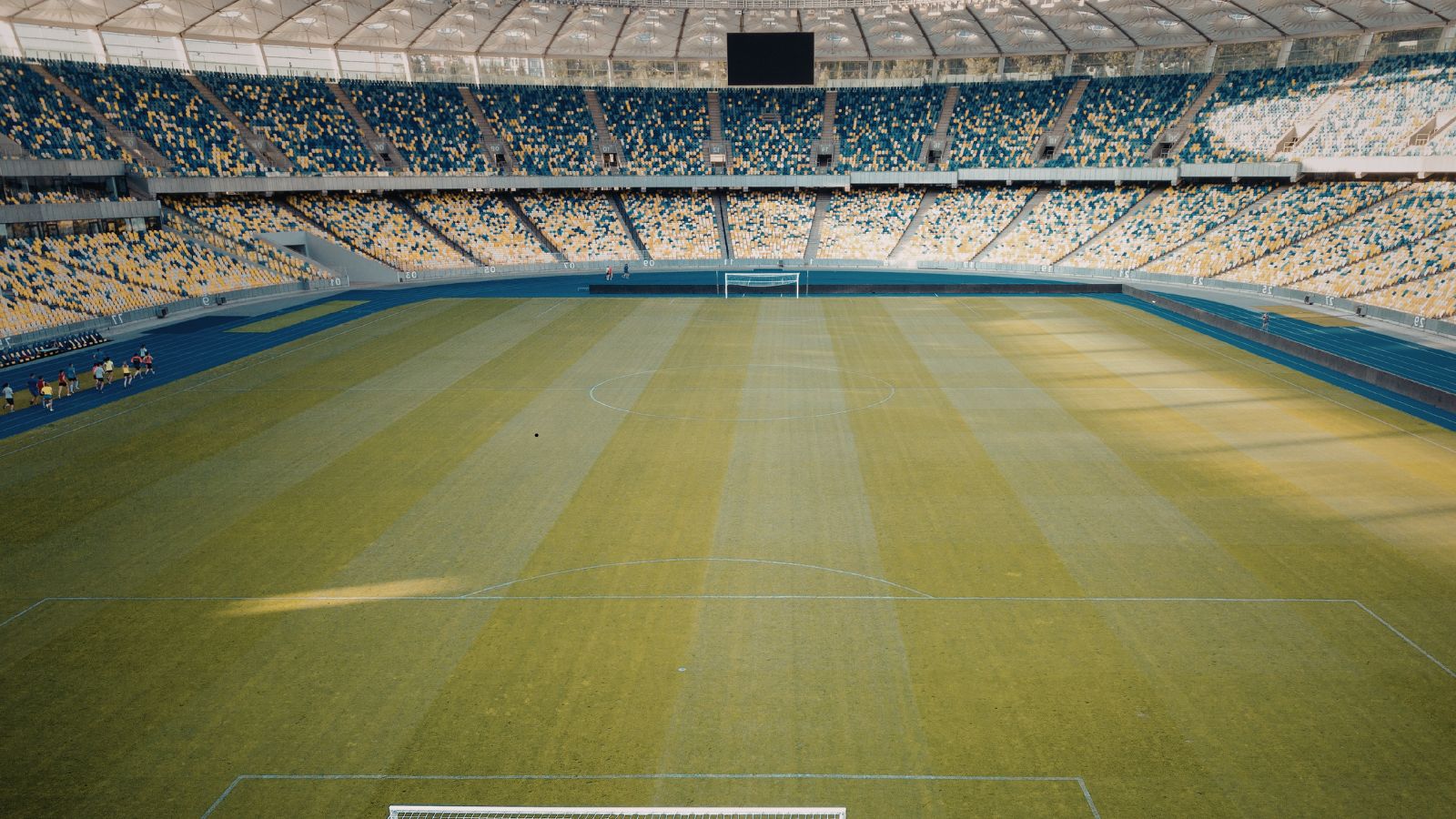
January football rarely offers stability. Across Europe, squads are stretched by injuries, international call-ups and congested schedules, forcing managers to adjust systems rather than refine them. As a result, several fixtures today are shaped less by long-term quality and more by short-term availability and momentum.
Premier League
Fulham vs Liverpool
Fulham’s recent home performances show a team comfortable playing on the front foot. They build through the flanks, allow full-backs to advance aggressively and rarely retreat into a low block for extended periods. This approach increases shot volume and attacking pressure but leaves space behind the midfield line, especially when possession is lost centrally.
Liverpool arrive with disrupted balance. Midfield continuity has been affected by absences, reducing their usual ability to control tempo away from home. While their attacking movement remains sharp, recent matches have seen Liverpool concede more territory during transitions, particularly in second-ball situations and wide defensive coverage.
Everton vs Brentford
Everton’s season has entered a physically demanding phase. Central midfield options have been reduced, forcing adjustments in pressing structure and defensive screening. As a result, Everton often defend deeper and rely on compact spacing rather than sustained pressure high up the pitch.
Brentford maintain a consistent identity built around direct progression and early vertical passes. Their willingness to attack space quickly often creates open matches, especially against teams struggling to control midfield zones. Away fixtures, however, tend to stretch Brentford defensively once possession swings frequently.
Leeds United vs Manchester United
Elland Road continues to amplify Leeds’ intensity. Their pressing is aggressive and front-loaded, designed to force early mistakes and disrupt buildup. When successful, Leeds can dominate phases through momentum rather than possession. Defensive absences, however, have exposed vulnerability once the initial press is bypassed.
Manchester United travel with a squad still searching for rhythm. Disruptions across multiple positions have forced frequent tactical reshuffles, leading to uneven performances. United have shown particular fragility in early match phases, where spacing and communication have occasionally broken down.
Manchester City vs Chelsea
Manchester City approach this fixture with structural stability. Their ability to recycle possession, apply sustained pressure and control territory remains unmatched domestically. At home, City’s positional discipline often suffocates opponents over long spells.
Chelsea continue to experience inconsistency. Defensive rotations and injuries have limited cohesion, particularly in back-line coordination. Combined with a youthful squad, this has resulted in moments of hesitation when pressed aggressively or forced to defend deep for extended periods.
Serie A
Lazio vs Napoli
Lazio’s home fixtures tend to be played at higher intensity. They rely heavily on wing progression and quick vertical passes to unsettle opponents early. While their results have fluctuated, their tactical intent remains assertive against stronger sides.
Napoli’s away form has reflected disrupted balance. Injuries and accumulated fatigue have affected midfield control, leading to gaps between lines. Defensive concentration has dipped during transitions, making their away matches less predictable than in previous seasons.
Inter vs Bologna
Inter remain one of Serie A’s most structurally sound teams, capable of controlling matches through measured buildup and sharp attacking sequences. Bologna, however, refuse to sit deep. Their commitment to pressing and progressive passing often creates high-tempo passages, especially against teams comfortable playing through pressure.
Ligue 1
Paris Saint-Germain vs Paris FC
This Paris derby arrives with contrasting dynamics. PSG possess superior quality across all areas, yet recent performances show a preference for control once advantage is gained. Rather than accelerating matches, PSG often manage tempo through possession and positional discipline.
Paris FC approach the fixture with compact organisation and defensive structure. Their aim is to limit space between lines and exploit transitional moments selectively, prioritising shape over possession dominance.
La Liga
Real Madrid vs Real Betis
Real Madrid enter with squad stability and strong positional control across midfield and defence. Betis, however, face limitations in attacking depth, affecting their ability to sustain possession under pressure. This often results in prolonged defensive phases, particularly in wide areas.
Real Sociedad vs Atletico Madrid
Real Sociedad thrive on tempo at home. Their use of width, combined with coordinated pressing, frequently disrupts opponents’ rhythm. Atletico Madrid arrive with reduced midfield availability, affecting their compactness and ability to slow matches during high-intensity spells.
Matchday Landscape
Across Europe, today’s fixtures reflect familiar January patterns:
- squads stretched by injuries and international absences
- disrupted rhythm due to rotation and fatigue
- tactical systems under pressure rather than refinement
In such conditions, matches are often decided not by reputation, but by adaptability, concentration and control during key phases.